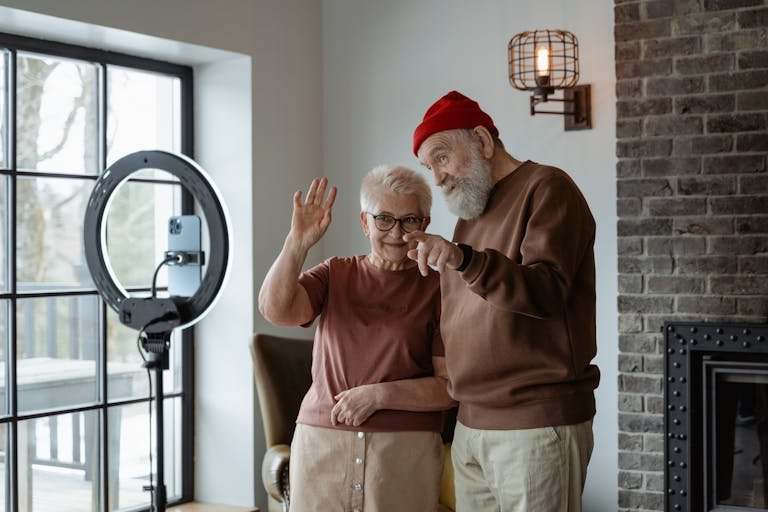
So You’re a New Grandparent. Now What?
Nobody hands you a manual. One day your child calls with the news, and suddenly you’re a grandparent. There’s no training, no onboarding, and no orientation. Just a new title and a strong opinion from everyone around you about how to do it right.
The truth most articles won’t tell you is this: becoming a grandparent is an adjustment, and it’s okay to need a minute before you figure out what kind of grandparent you want to be.
The Role Is Yours to Define
There’s no single way to do this. Some grandparents want to be there every week. Others live far away and make it count when they visit. Some are the fun ones, some are the steady ones, and some are both! Depending on the day.

What matters is that the role fits your life — not someone else’s idea of what a grandparent should look like. You don’t have to match a greeting card. You just have to show up in the way that works for you and for the family.
The Hardest Part Nobody Talks About
It’s not the new car seat rules or figuring out what a sleep sack is. The hardest part of being a first time grandparent is learning where the line is.
You raised children. You have experience, instincts, and opinions. And now you have to watch someone else make the decisions (often completely differently than you would).
This is where most grandparent-parent tension starts. Not from bad intentions, but from love that doesn’t know where to sit.
The short version: your job is to support, not to steer. Offer help before advice. And when you do have advice, wait until someone asks for it. That one habit will save more family dinners than you’d think.
Things Have Changed (and That’s Fine)
If your grandchildren’s parents do things differently than you did, it’s probably not a criticism of how you raised your kids. It’s just what happens when twenty or thirty years of new research, new products, and new thinking get applied to the same old challenge of keeping a small human alive and happy.
Babies sleep on their backs now. Screen time has guidelines. Car seats face backwards longer than they used to. Some of these changes will seem unnecessary. Some of them will make you quietly grateful they exist.
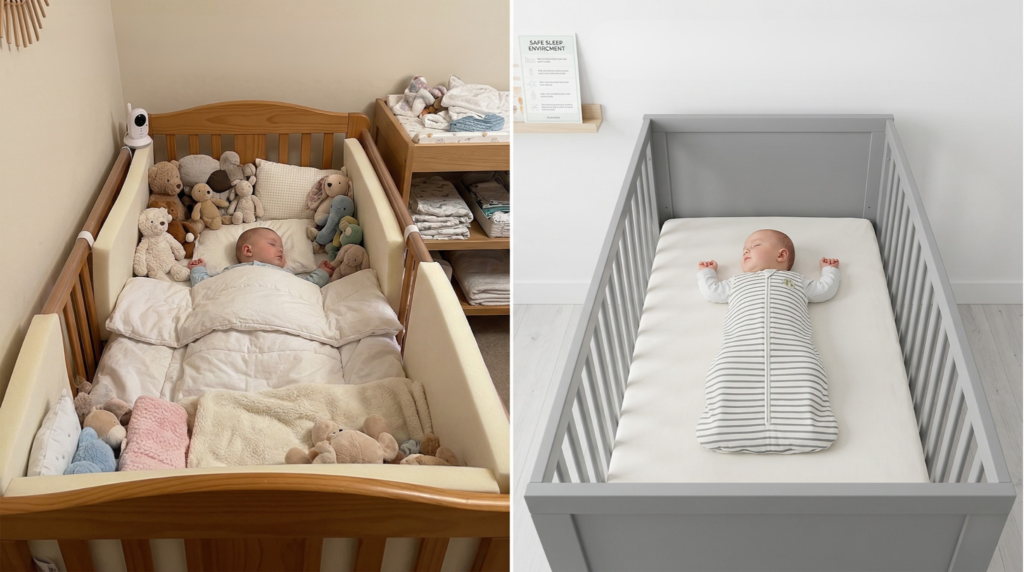
You don’t need to memorise every update. Just follow the parents’ lead on the big stuff and save your energy for the things that actually matter — being present, being patient, and being the person that child is always glad to see.
How to Actually Help (Not Just Offer To)
New parents are exhausted. They know you want to help. But “let me know if you need anything” puts the work of asking on people who are already running on no sleep.
Skip the open offer. Do something specific instead.
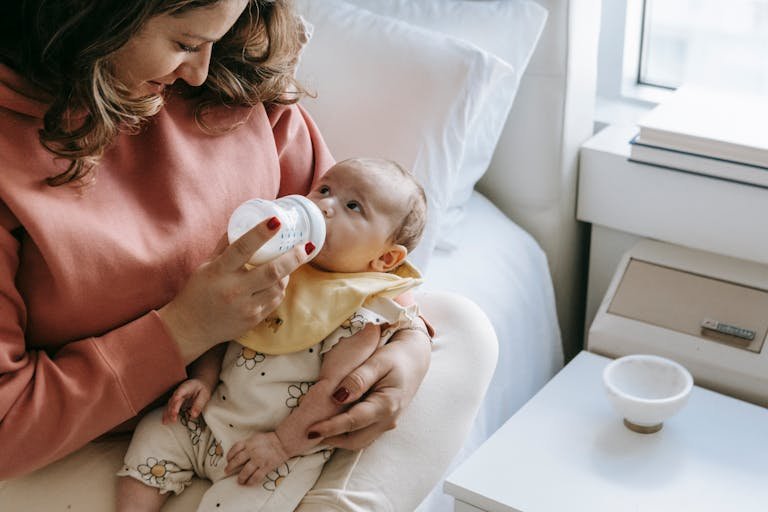
Show up with food that can be reheated. Throw a load of washing in. Take the dog out. Hold the baby so someone can take a shower that lasts longer than two minutes. If you’re visiting from out of town, stay at a hotel unless they specifically ask you to stay at theirs — new parents need their space more than they need a house guest, even one they love.
The best help is the kind that doesn’t need to be managed.
The Other Grandparents Exist
This catches some first time grandparents off guard. There’s usually another set of grandparents, and they have their own expectations, their own traditions, and their own ideas about how often they should visit.
It’s not a competition. The grandchild has room for everyone. If the other grandparents get more time, that doesn’t mean you get less love. If they buy bigger gifts, that doesn’t mean your presence matters less.

The families who handle this best are the ones who never make the parents feel like they’re choosing sides. Stay generous about it. Your grandchild will never run out of love to give.
Don’t Overdo the First Visit
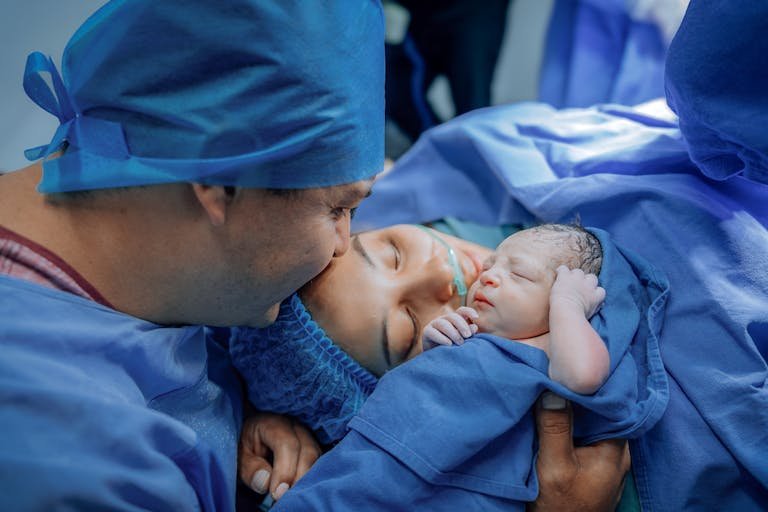
When that baby arrives, every instinct will tell you to be there immediately and stay as long as possible. Resist the urge to move in.
Short visits are better than long ones in those early weeks. Come, be helpful, leave before anyone is tired of you. The parents are learning how to be a family. They need space to figure it out — even if they don’t know that yet.
You’ll have years with this child. The first two weeks are not the whole relationship. Pace yourself.
What to Do When You Disagree
You will disagree. About feeding, about sleep, about discipline, about screen time, about something you haven’t even thought of yet. It’s inevitable.
Pick your battles carefully. Most things are not worth the tension. If the baby is safe, fed, and loved, you can let the rest go.
If something genuinely concerns you — a safety issue, something that feels wrong — say it once, privately, calmly. Then let the parents decide. They might take your input. They might not. Either way, you said what you needed to say, and you did it without turning Sunday lunch into a standoff.
The Long Game
Here’s what first time grandparents sometimes forget in the excitement of the early months: this relationship is measured in decades, not days.
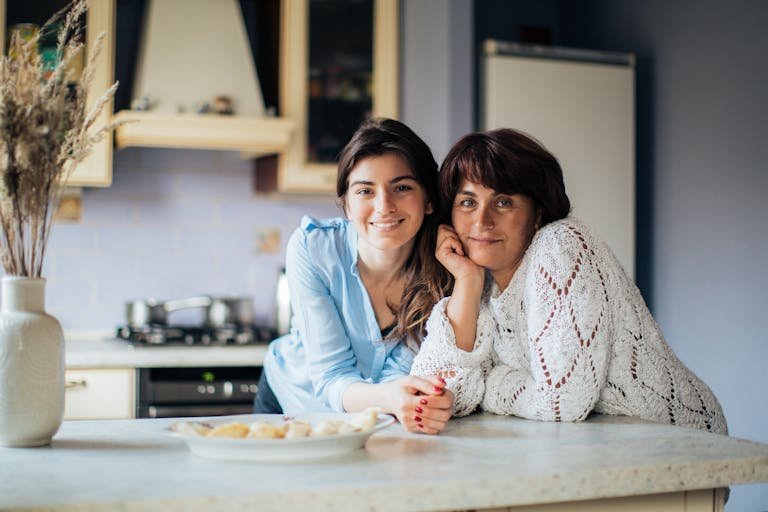
The newborn phase is short. The toddler phase is short. Before you know it, you’ll be the person this child calls when they need advice their parents can’t give, or a place to go when they need a break, or just someone who has known them their entire life and loves them without conditions.
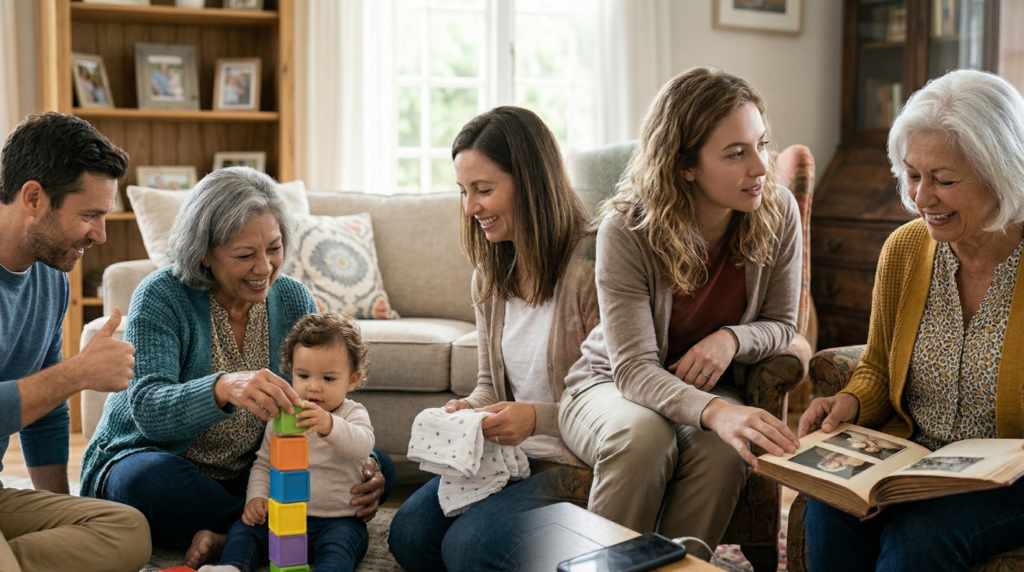
That’s worth protecting. And the way you protect it is by building trust with the parents now — being reliable, being respectful, being the person they never hesitate to call.
You’re Going to Be Fine
Most new grandparents overthink it. They worry about saying the wrong thing, overstepping, not being needed, being needed too much.
The fact that you’re even thinking about how to do this well means you’re already ahead. The grandparents who cause problems are the ones who never stop to consider anyone else’s perspective. You’re not that person.
Show up. Pay attention. Follow the parents’ lead on the things that matter to them. Be yourself on everything else and that’s the whole job.
What surprised you most about becoming a grandparent? Was it what you expected, or did it catch you completely off guard? We’d love to hear your experience.