How to Be a Good Grandparent: What Really Matters
Nobody hands you an instruction manual when you become a grandparent. What the research and real experience suggest actually matters — beyond the obvious.
Nobody sits you down and explains what good grandparenting looks like. There’s no induction, no training day, no set of KPIs to hit by the end of the first quarter. You just get handed a baby, or introduced to a toddler, or find yourself in the general vicinity of a small person who shares your DNA, and you’re expected to figure it out.
Most of us do figure it out, eventually. But the question of how to be a good grandparent lingers, especially in the early years when everything feels new and you’re not entirely sure where you fit. The answer, as it turns out, is simpler than you’d expect — and harder than it sounds.
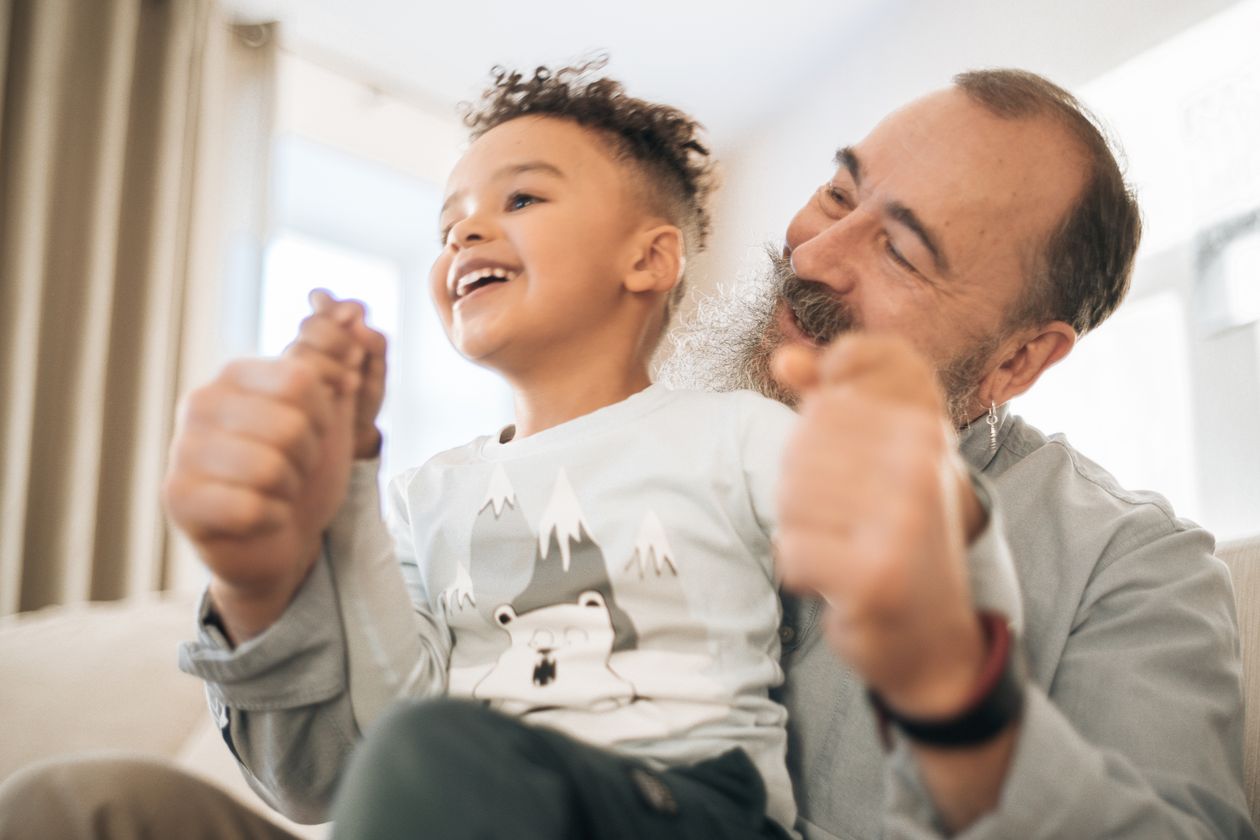
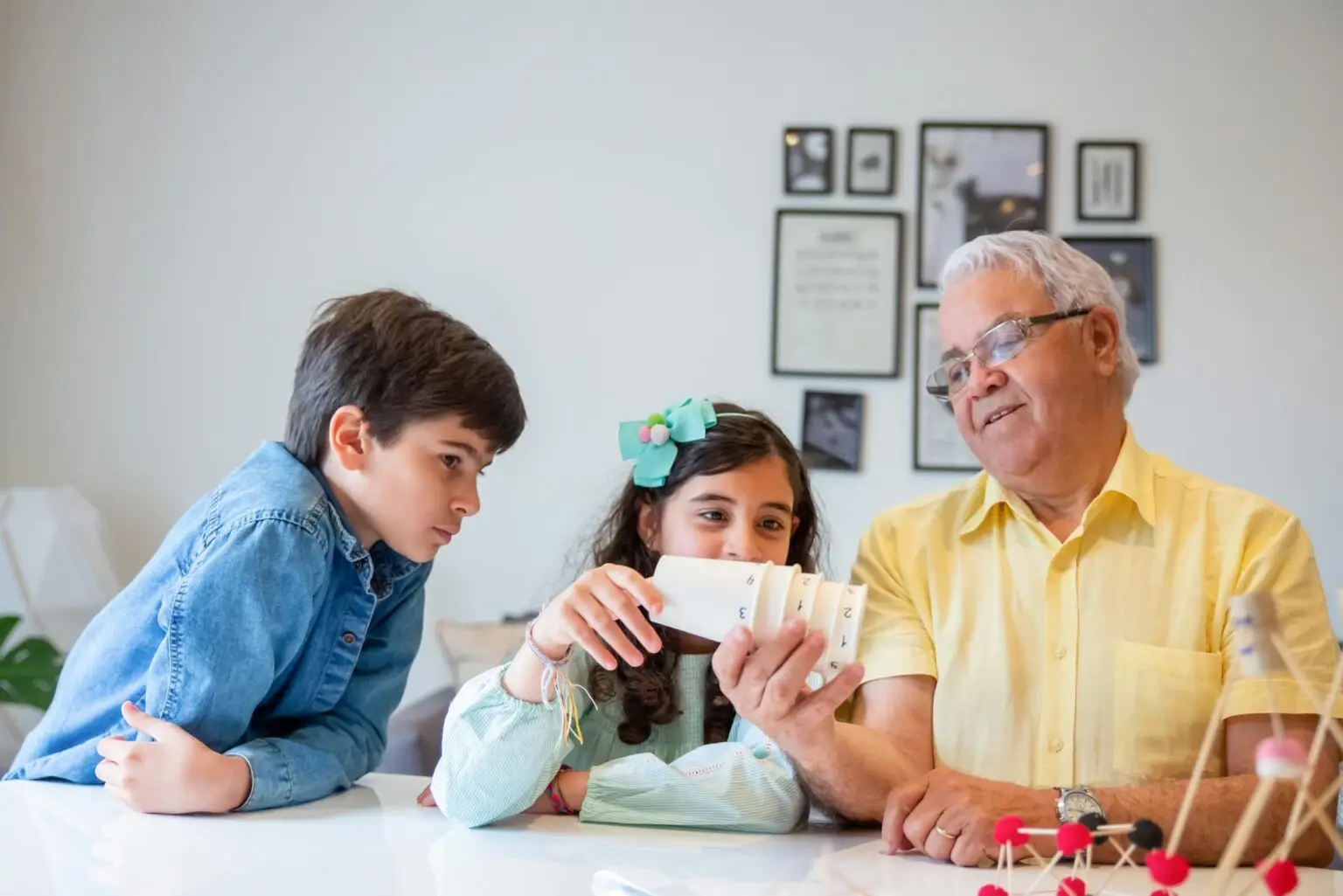
Photo by Mikhail Nilov on Pexels
Show Up — and Keep Showing Up
The single most important thing a grandparent can do is be reliably present. Not constantly present. Not overbearingly present. Just there, in a way the child can count on.
That might mean weekly visits, or it might mean a phone call every Sunday, or a letter in the post once a month. The form matters much less than the consistency. A grandparent who shows up every other Saturday for years will leave a deeper mark than one who appears in a burst of enthusiasm and then fades away.
Children notice patterns. They notice who remembers, who follows through, who can be relied upon. You don’t need to be spectacular. You need to be steady.
Listen More Than You Speak
Good grandparents are good listeners — and not just to the grandchildren. Listening to your adult child matters just as much, possibly more, because the quality of that relationship determines everything else.
When your son or daughter talks about how they’re raising their children, they’re not always looking for feedback. Sometimes they’re thinking out loud. Sometimes they’re looking for reassurance. Sometimes they just need someone to hear them without immediately offering a solution or, worse, a correction.
With grandchildren, listening looks different depending on the age. With a toddler, it means getting down to their level and taking their interests seriously, even when those interests make no sense whatsoever. With an older child, it means asking questions and actually waiting for the answers. With a teenager, it means being the person they can talk to without feeling judged — which is a rarer thing than most adults realise.
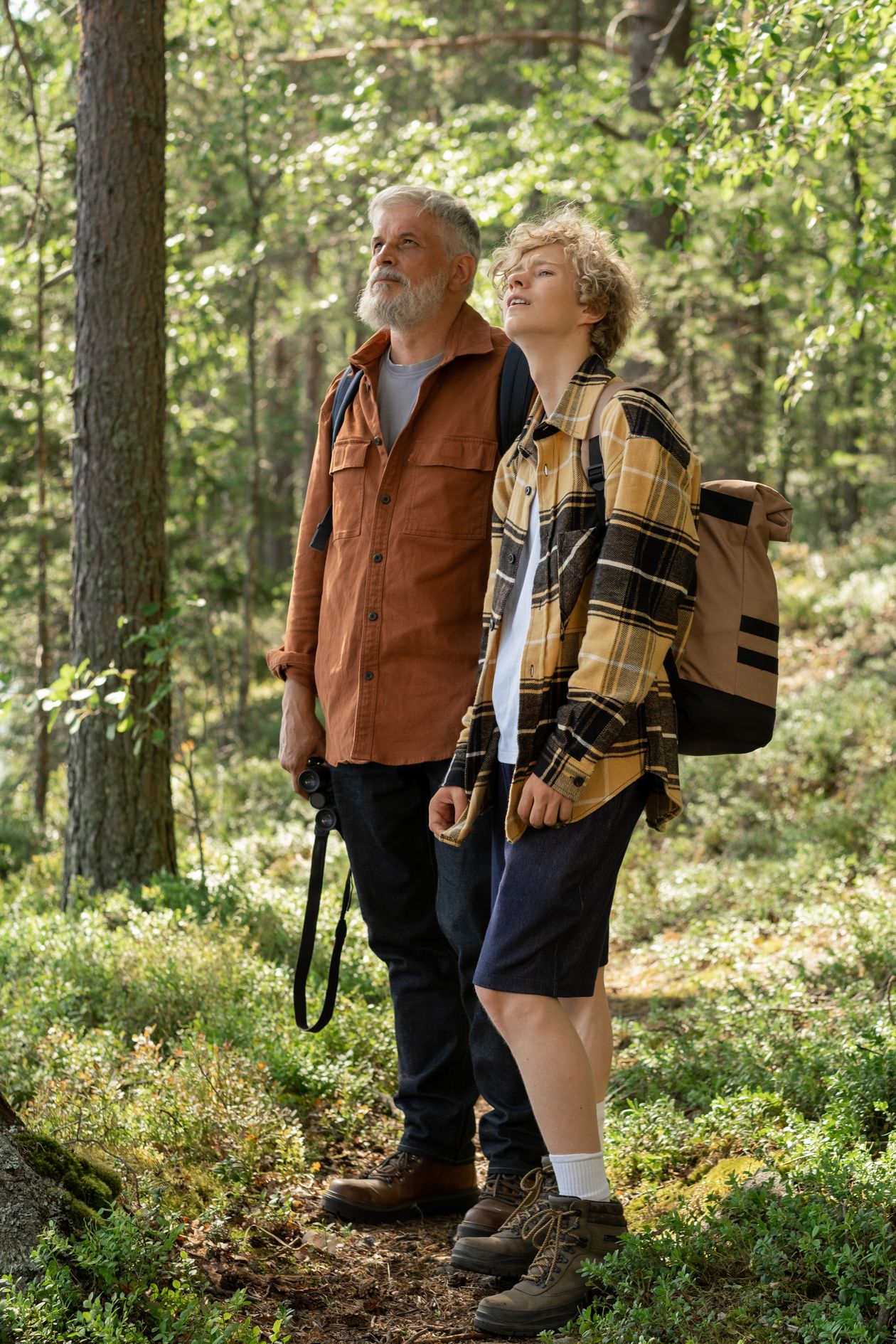
Photo by Ron Lach on Pexels
Respect the Parents’ Rules — Even the Ones You Disagree With
This is the one most grandparents struggle with, and it’s worth being direct about it. Your adult children are in charge. Their rules are the rules. Even when those rules seem unnecessary, overcautious, or frankly baffling.
No sugar before age two. Screens off at six. Bedtime at seven-thirty sharp. Organic snacks only. Whatever the rules are, following them isn’t about whether you agree. It’s about showing your adult child that you respect their authority as a parent. That matters more than any individual decision about screen time.
The grandparents who get this right tend to have better access to their grandchildren over the long term. The ones who don’t — who sneak sweets, who undermine bedtimes, who roll their eyes at the organic snacks — often find themselves on the outside of decisions they wish they’d been part of. It’s not worth the trade.
Be the Calm in the Room
One of the great advantages of being a grandparent is perspective. You’ve done this before. You know that the tantrums pass, that the sleep regressions end, that the child who refuses to eat anything but plain pasta will eventually develop a wider palate. Probably.
That perspective is genuinely useful — if you can offer it calmly and without making the new parents feel patronised. “This too shall pass” is only helpful when it doesn’t come with an implied “and I knew that all along.”
The best version of this is simply being unruffled. When the toddler has a meltdown in the kitchen, you carry on making tea. When the baby screams through an entire visit, you don’t treat it as a crisis. Your calm tells the new parents something important: this is manageable. You’ve seen it before. It will be fine.
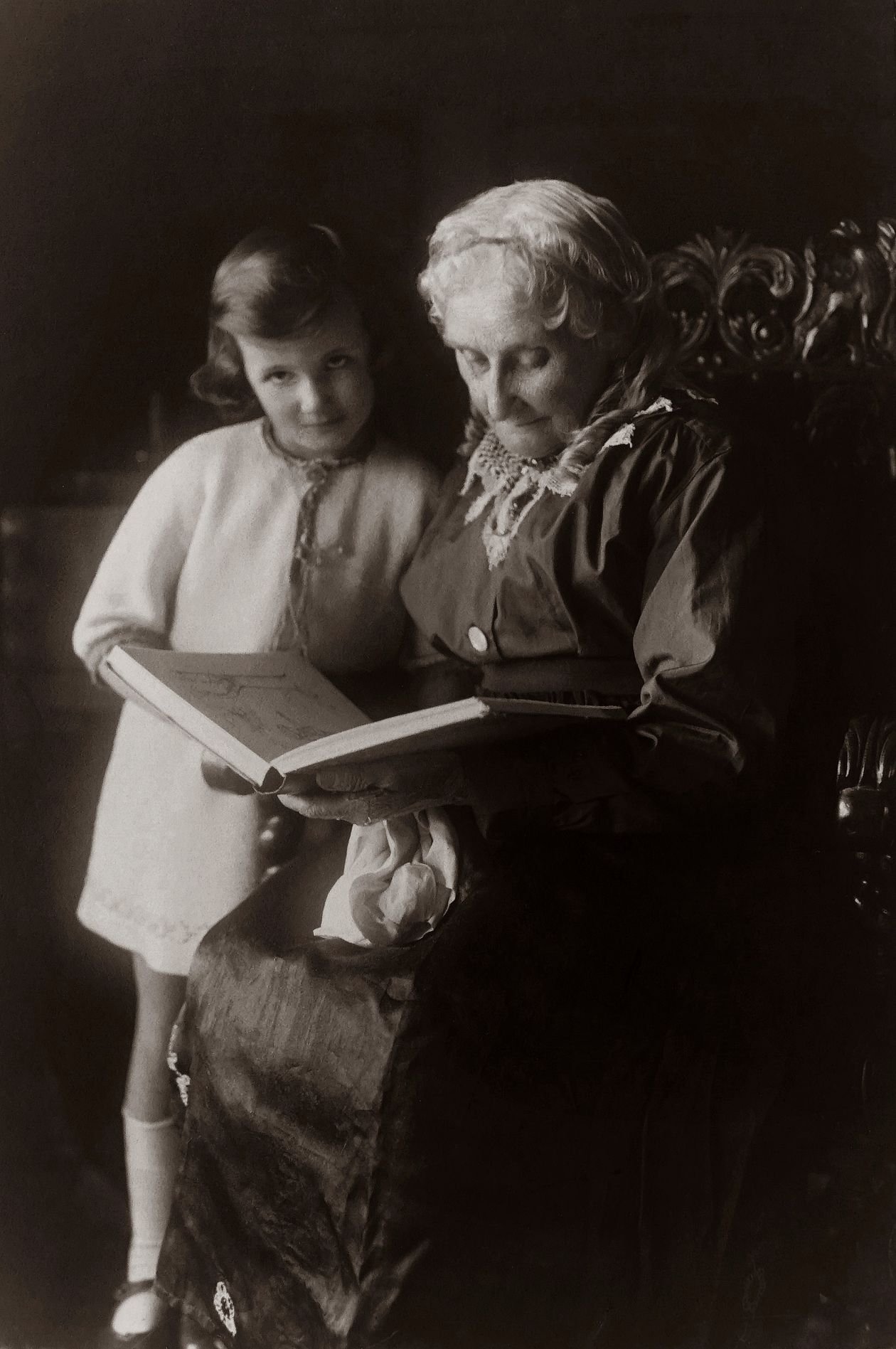
Photo by Suzy Hazelwood on Pexels
Share What You Know — Without Lecturing
You have decades of experience. That’s worth something. The trick is knowing when and how to share it.
The best moments for sharing usually come when you’re asked. A direct question — “Did we sleep through the night at this age?” or “What did you do when I wouldn’t eat?” — is an open invitation. Take it. Be honest. Share what you remember, and be upfront about what you’ve forgotten or what’s changed since then.
The less useful moments are the unsolicited ones. Dropping advice into a conversation that didn’t ask for it rarely lands the way you intend. Even when you’re right — especially when you’re right — the timing matters. A parent who’s just spent forty minutes trying to get a child into a car seat is not ready to hear about how things were simpler in your day.
When you do share, frame it as your experience rather than the right answer. “What worked for us was…” is a very different sentence from “What you should do is…”
Don’t Compete
Not with the other grandparents. Not with the parents. Not with the expensive toys or the elaborate birthday parties or the grandparent down the road who apparently takes the children to Disneyland every other month.
The temptation to win a child’s affection through gifts or treats or being the “fun one” is strong, and it misses the point entirely. Children don’t rank their grandparents by spend. They rank them by how they feel when they’re together. Safe, interested, unhurried — those are the things that stick.
If the other grandparents buy bigger presents, let them. If they see the children more often, that’s geography, not a verdict on your worth. The relationship you build will be your own, and it doesn’t need to outperform anyone else’s.

Photo by Ron Lach on Pexels
Take Care of Yourself
You can’t be a good grandparent if you’re running on empty. This is obvious and yet almost universally ignored, particularly in the first year or two when the desire to help can override every signal your body sends you.
Be honest about your energy. If you’ve offered to babysit every Friday and it’s becoming too much, say so before resentment builds. If your health has changed and you can’t do what you used to, adjust rather than pushing through. Nobody benefits from a grandparent who’s exhausted, in pain, or quietly miserable.
Looking after yourself isn’t selfish. It’s the thing that makes everything else possible. The grandparent who takes their own health seriously, keeps their friendships alive, and maintains interests outside the family is the one who shows up fully present — not drained and counting the hours until they can sit down.
Let Them See Who You Are
One of the most underrated things a grandparent can do is simply be themselves around their grandchildren. Not a sanitised, child-friendly version of themselves. Just themselves.
If you love jazz, play it when they visit. If you garden, let them dig alongside you. If you read, let them see the books piled by your chair. Children learn about the world by watching the adults in their lives, and grandparents offer something parents often can’t — a window into a different generation, a different pace, a different set of interests.
The grandmother who teaches her granddaughter to play cards isn’t just killing time. She’s passing something along. The grandfather who takes his grandson to the workshop isn’t just babysitting. He’s showing him what it looks like to care about something enough to get good at it.
You don’t need to perform. You just need to let them in.
The Grandparent They’ll Remember
Years from now, your grandchildren won’t remember most of the individual visits. They won’t remember what you bought them for their fifth birthday or which park you took them to that one Tuesday in October. What they’ll remember is how it felt to be around you.
They’ll remember whether your house felt safe. Whether you laughed easily. Whether you listened when they talked. Whether you seemed genuinely pleased to see them or slightly inconvenienced by the interruption.
Being a good grandparent isn’t about getting everything right. It’s about being real, being present, and caring enough to keep trying. The bar is lower than you think — and the reward is bigger than anyone tells you.
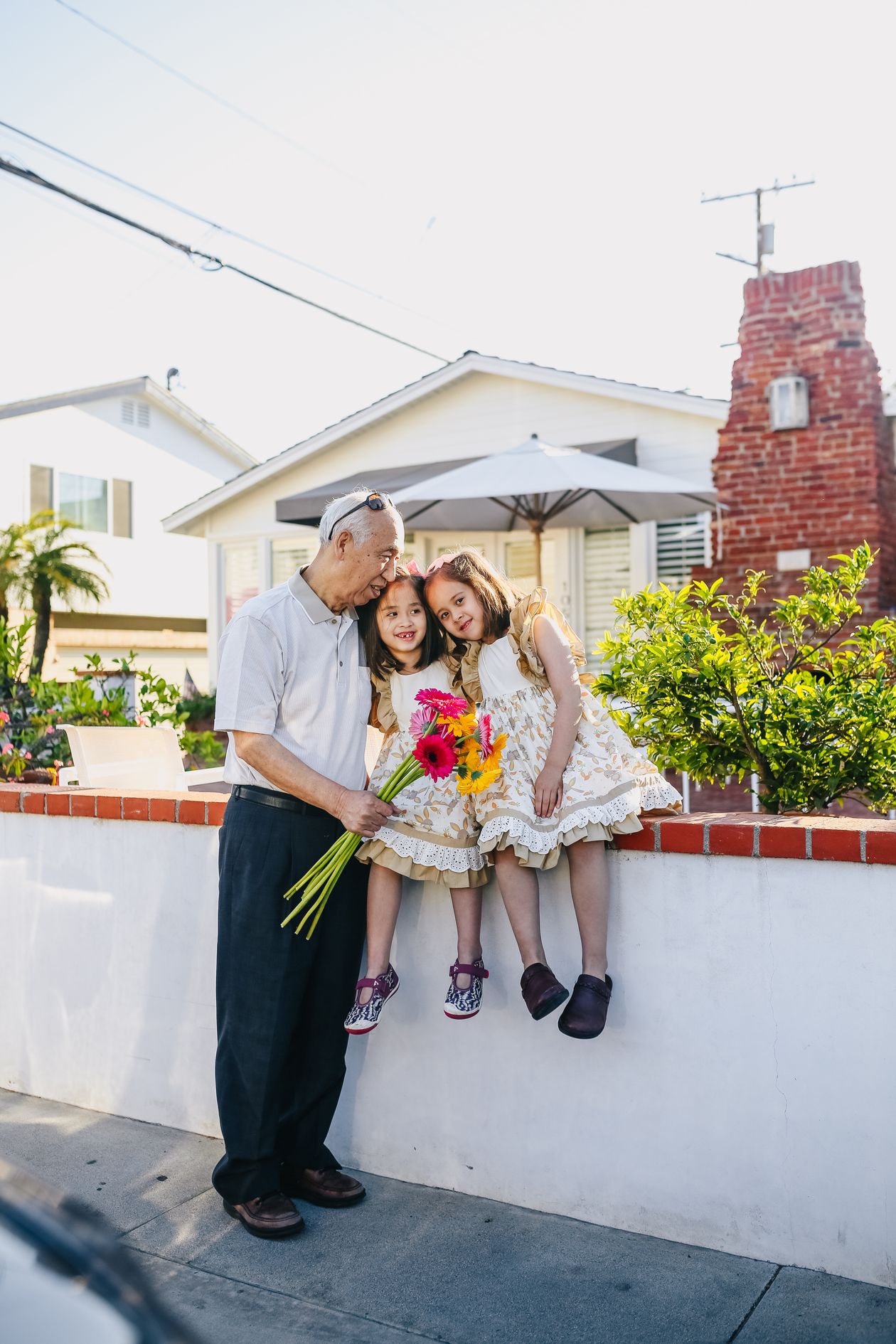
Photo by RDNE Stock project on Pexels
If you’re stepping into grandparenthood for the first time, this piece on what a mother-in-law did right after birth captures something real about getting those early days right.
If you’re looking for practical ways to put this into action, our guide to indoor activities for grandparents and grandchildren has ideas for every age.