Becoming a Grandparent for the First Time: What to Expect
Nobody really prepares you for the moment you become a grandparent. There are books about pregnancy, books about parenting, entire industries built around the first two years of a child’s life — and then there’s you, standing in a hospital corridor at some ungodly hour, suddenly holding a person who has your nose and your son’s ears, wondering why nobody mentioned that this would feel quite so enormous.
No one really tells you what the first few weeks are like. Not in any useful way. One day you’re someone’s parent. The next, you’re someone’s grandparent, and most of what you need to know, you’ll figure out as you go. But there are some things worth hearing beforehand.
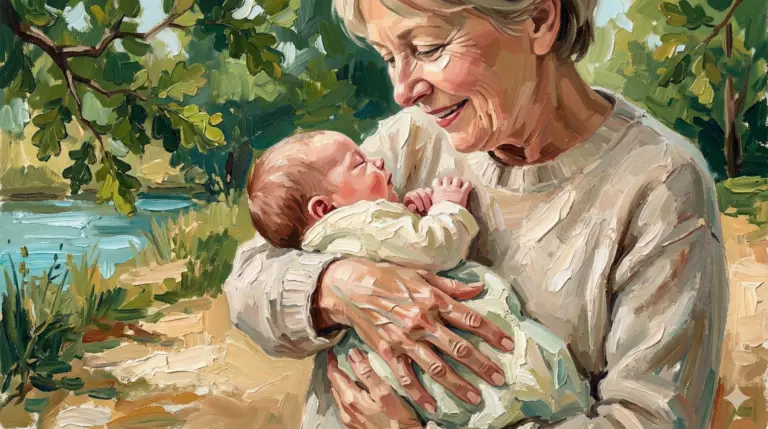
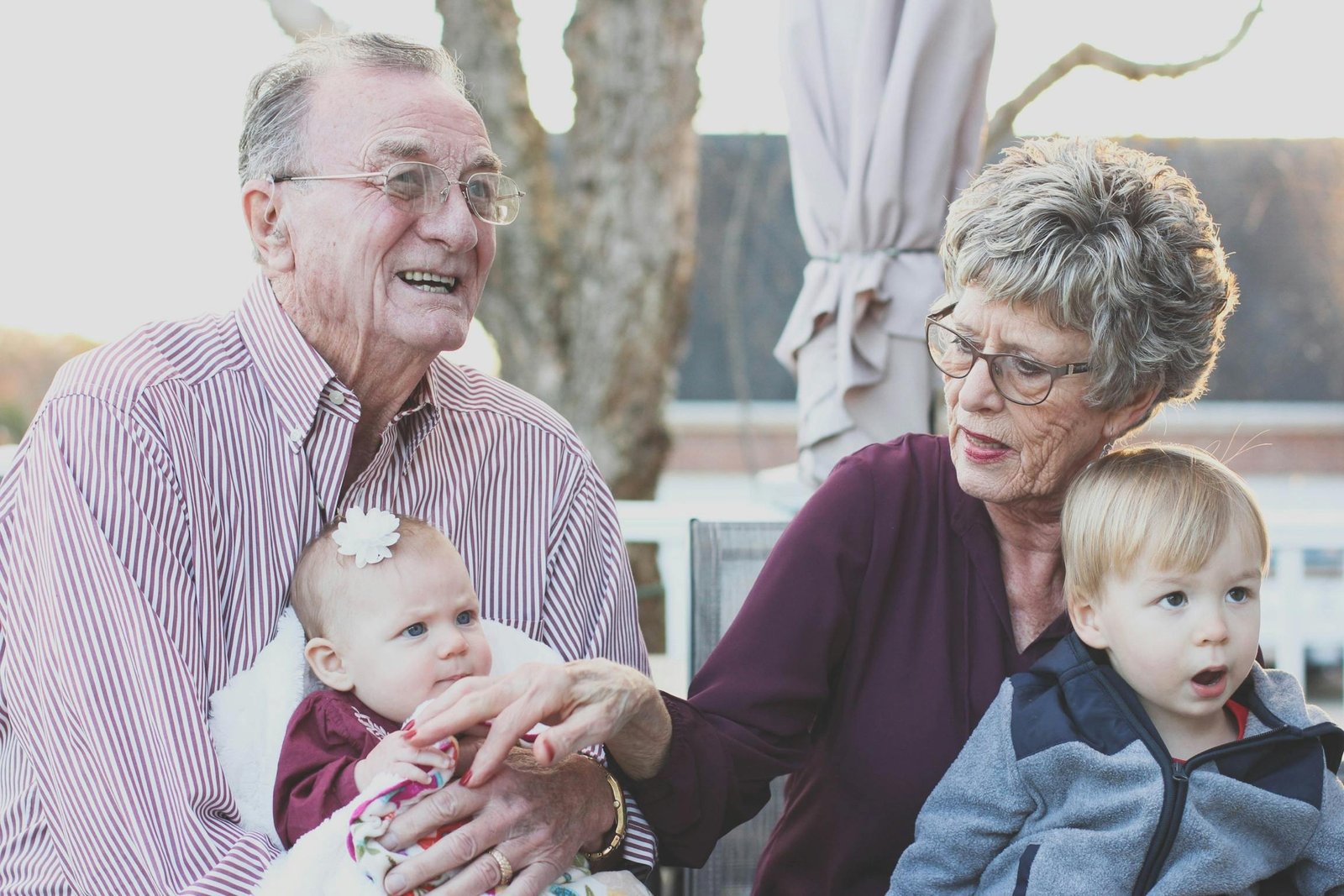
Grandparents holding their grandchild. Photo by Pixabay on Pexels.
The Emotional Wallop Nobody Warns You About
The first time you hold your grandchild, the love isn’t the surprise. Everyone tells you about that. The surprise is everything else — the grief that sits right next to the joy, the way your brain keeps trying to match the baby in your arms with the baby your own child used to be. Some grandparents feel it as something physical, a weight in the chest. Others feel nothing at all, and spend the next few days wondering what’s wrong with them before it lands out of nowhere.
Both are normal. So is crying in the car park, so is the giddy disbelief, so is the quiet sense that time has moved faster than it was supposed to. Those first few days can catch out even the steadiest among us.
The reaction you have is the reaction you have. Some grandparents are besotted instantly. Others take weeks. The relationship has decades ahead of it. The first twenty minutes are not a test.
Your Role Has Changed — and That Takes Getting Used To
Here’s the part that trips up even the most well-intentioned new grandparents: you are not the parent. You were, once. You had strong opinions about feeding schedules and bedtimes and whether a child really needed shoes before they could walk. Those opinions may still be excellent. But they’re no longer the ones that count.
This doesn’t mean your experience is worthless — far from it. It means your role is different now. You’re the backup, the perspective, the steady presence that a new parent can lean on without feeling judged. That’s a harder job than it sounds, because it requires holding your tongue when every instinct tells you to speak up.
The grandparents who navigate this well tend to have one thing in common: they wait to be asked. They offer help rather than advice. When they do share their experience, they frame it as exactly that — their experience, from a different time — rather than the definitive word on how things should be done. It’s a subtle shift, but it makes an enormous difference to the relationship with your adult child.
What Your Adult Child Actually Needs From You
New parents are exhausted, anxious, and saturated with conflicting information from midwives, health visitors, apps, forums, and well-meaning strangers in supermarkets. What they need from you is surprisingly simple, even if it doesn’t always feel that way.
They need practical help. Not the kind that comes with commentary, but the kind that arrives quietly and makes the day slightly less impossible. A meal dropped off without the expectation of a long visit. An offer to hold the baby so they can shower, sleep, or sit in silence for twenty minutes. The washing up done without anyone having to ask.
They also need you to trust their decisions, even when those decisions differ from the ones you made. Parenting guidance has changed since you raised your children. Some of it has changed for good reason, some of it will probably change back again in another twenty years, and all of it feels very important to someone running on three hours of sleep. This is not the moment for a debate about whether babies really need to sleep on their backs.
And they need you to be honest when they ask for honesty — but only when they ask. There’s a world of difference between unsolicited criticism and a thoughtful answer to a genuine question. Learning to tell the difference is one of the most valuable skills a new grandparent can develop.
The Grandparent You’ll Be Isn’t the One You Imagined
Most people carry around some vague image of the grandparent they’ll become. Maybe it involves baking, or woodworking, or long walks through autumn leaves with a toddler in wellingtons. Maybe it’s based on your own grandparents, or on a version of yourself with more patience and fewer deadlines.
The reality is usually different, and that’s fine. You might discover that you’re the grandparent who’s brilliant at bath time but useless at crafts. The one who reads the same book forty-seven times without complaint but can’t manage soft play without needing a lie-down afterwards. The one who sends thoughtful parcels rather than visiting every weekend, because geography or health or work means that’s what fits your life.
The shape of your grandparenting will be determined by who you actually are, not who you thought you’d be. And children don’t need a greeting-card grandparent. They need a real one — consistent, present in whatever way you can manage, and genuinely interested in who they’re becoming.
Navigating the Other Grandparents
Unless your grandchild arrives with only one set of grandparents, there will be sharing involved. This is one of those areas that nobody discusses beforehand and everyone has feelings about afterwards.
The other grandparents may do things differently. They may see the baby more often, or less often. They may buy more extravagant gifts, or be more relaxed about sugar, or have a completely different approach to everything from nap schedules to screen time. The temptation to compare is strong, and it’s worth resisting.
What matters is the relationship you build, not whether it’s identical to someone else’s. Children are remarkably good at loving multiple people in multiple ways, and having grandparents with different styles and strengths gives them a richer experience, not a confusing one. Keep your focus on your own connection and let the rest take care of itself.
The Practicalities Nobody Thinks About Until It’s Too Late
A few things worth sorting out sooner rather than later, because they’re much easier to address before emotions and routines are fully established.
What to be called. Granny, Grandad, Nana, Pop, Oma, something entirely invented — it doesn’t matter, but it helps if you’ve thought about it before the child starts talking. If you have a preference, say so early. If you don’t, the child will eventually choose for you, and you may end up with something unexpected.
Boundaries around visiting. How often, how long, how much notice — these conversations feel awkward but prevent resentment later. New parents need space, and grandparents need to feel welcome. Finding the balance early is much easier than correcting it after months of quiet frustration on both sides.
Your own health and energy. Be realistic about what you can offer. If you volunteer for regular childcare, make sure it’s sustainable. Burning yourself out in the first year helps nobody, and pulling back after you’ve established a routine is harder on everyone — including the child — than setting manageable expectations from the start.
Money. Whether it’s contributing to a savings account, buying equipment, or simply being clear about what you can and can’t afford, having an honest conversation about finances early on avoids assumptions and awkwardness later. There’s no obligation to fund anything. What matters is that everyone knows where they stand.
Safety standards. If you’re planning to have the baby at your home, it’s worth checking that your setup meets current guidelines. Car seat rules, cot standards, and recommendations around things like sleeping positions have changed significantly. A quick conversation with the new parents about what they’d like you to have in place will save everyone stress on the day.
When It Doesn’t Feel the Way You Expected
Not every grandparent falls in love at first sight. Some feel a disconnect — a gap between the emotion they expected and the emotion that actually arrived. This is more common than anyone admits, and it’s made worse by the fact that everyone around you seems to be having the experience you’re not having.
If the bond feels slow to form, give it time. You’re not failing at anything. Some relationships need proximity, repetition, and shared experience before they take root. The grandparent who feels very little during the first hospital visit may feel everything six months later, watching the baby laugh at a spoon. Connection doesn’t always arrive on schedule.
There are also situations that make the early days harder than they need to be. A difficult birth, postnatal depression in the new parent, strained family relationships, distance, illness — any of these can complicate what’s supposed to be a straightforward happy event. If your path into grandparenthood is bumpy, that doesn’t mean the destination is any less worthwhile. It just means the route was harder than the brochure suggested.
What Changes — and What Stays the Same
Becoming a grandparent changes your perspective in ways that are hard to predict. Time feels different. You notice things you didn’t notice before — the particular quality of a Tuesday afternoon when there’s nowhere to be and a small person is showing you a worm they found in the garden. You develop patience you didn’t know you had, probably because the stakes feel different when the ultimate responsibility isn’t yours.
But you’re still you. Your interests, your friendships, your identity — none of that needs to be replaced by grandparenting. The best grandparents tend to be people with full lives of their own, because they bring more to the relationship when they’re not relying on it for everything.
If you had hobbies before, keep them. If you had plans, pursue them. The grandchild will benefit far more from a grandparent who is engaged, fulfilled, and interesting than from one who has cleared their diary in anticipation of every possible request.
The Long View
The first year of being a grandparent is the steepest learning curve. After that, it settles. You find your rhythm, learn what works and what doesn’t, which battles matter and which ones you can let go, and discover that your relationship with your grandchild is its own thing — not a repeat of parenthood, not a do-over, but something entirely new.
And here’s the part that’s worth holding onto when the early weeks feel chaotic or uncertain: grandparenting gets better. The older the child gets, the more of themselves they bring to the relationship. The conversations get longer. The shared jokes get funnier. The things you teach them start coming back in unexpected ways.
There will be stages. The baby who sleeps on your chest becomes the toddler who raids your kitchen drawers. The toddler becomes the child who asks questions you haven’t thought about in forty years. And eventually, if you’re lucky, they become the teenager who still wants to visit, even when they’d rather be with their friends, because something about your house feels like a place where they can be themselves.
You’ve got decades of this ahead of you. The beginning is just the beginning.